
Gabe Newell, Valve, and Inkfish: Inside the Superyacht Leviathan

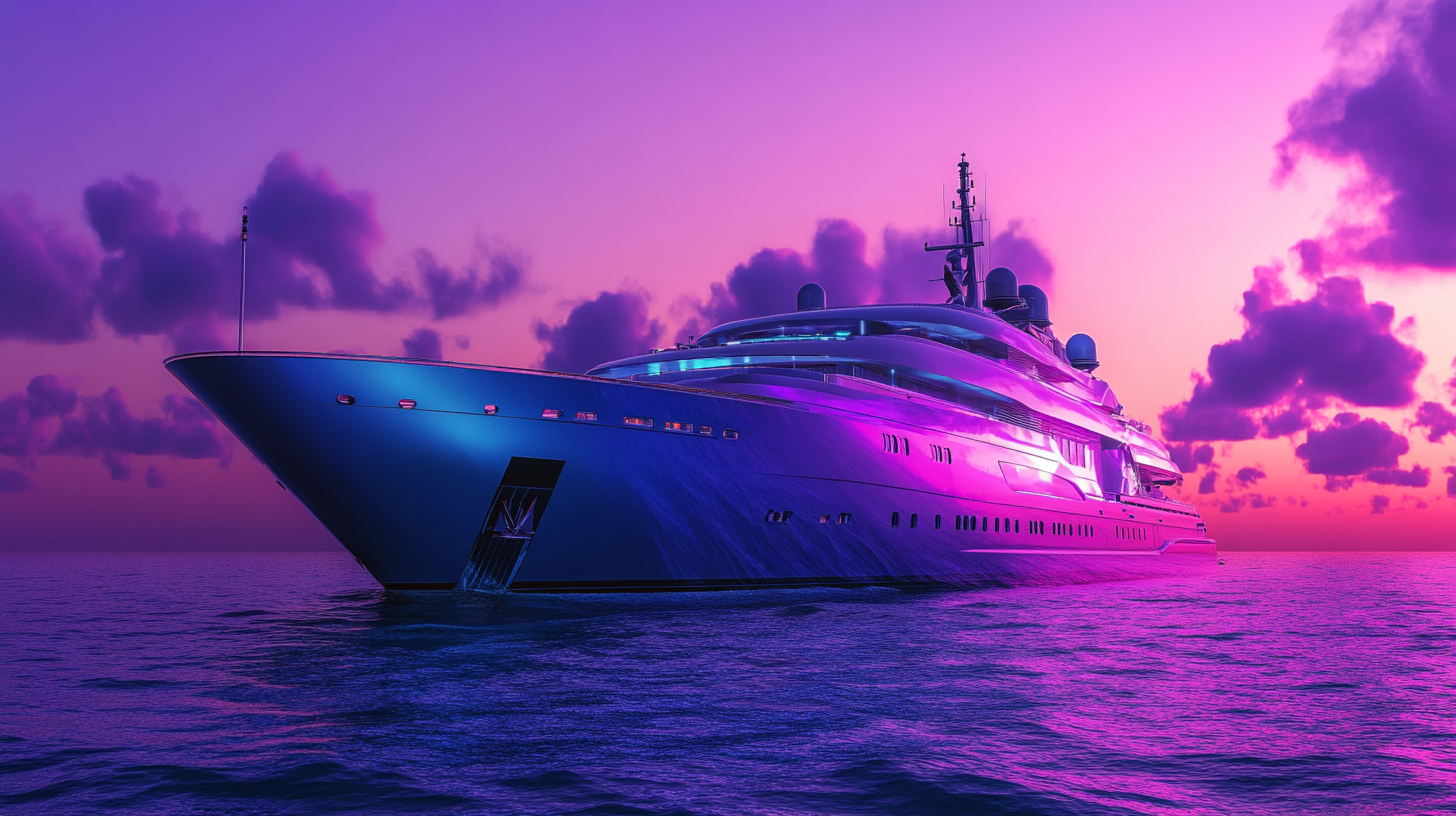
The superyacht Leviathan, owned by Gabe Newell, the co-founder of Valve, is not the kind of vessel you buy for glamour shots or casual island hopping. It was never meant for that. Leviathan was built to work. It was designed from day one to serve Inkfish, Newell's marine research institute, and you can feel that purpose in every room you step into.
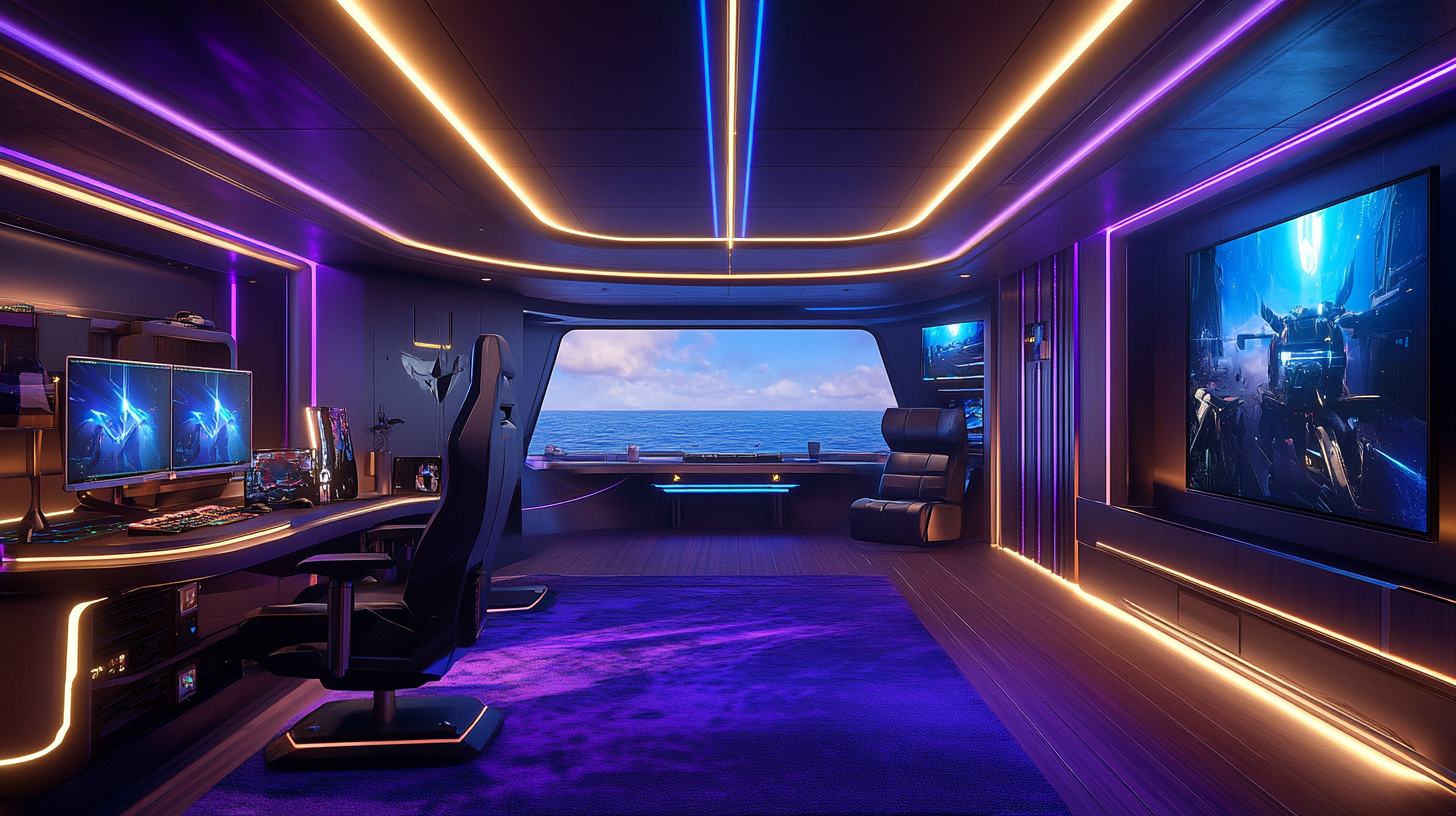
There are laboratories equipped for real scientific missions, a hangar that launches a deep-sea submersible, a medical bay that can handle emergencies, and even a gamer lounge that nods to Newell's tech roots. At first, it sounds like a strange mix of research equipment and creature comforts, but once you understand where the yacht was built-and the relationship that shaped it- it-it starts to make perfect sense.
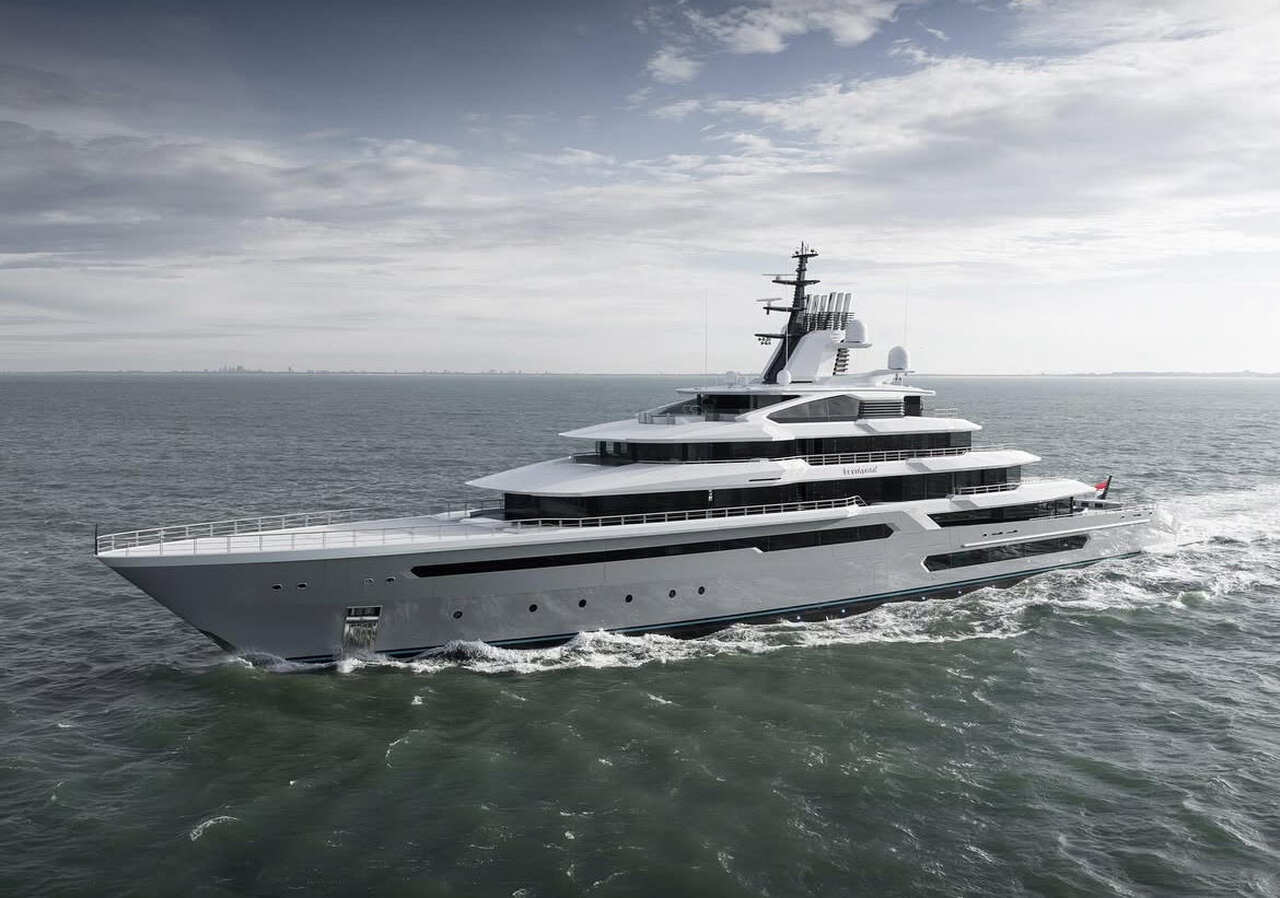
Oceanco is a Dutch shipyard that launched Leviathan, and it started to tell its story back in 1987. In the early years, the company worked quietly, building its momentum project by project. Over time, word got out: Oceanco was the place that would take on the ideas and engineering challenges other shipyards politely turned down.
Unusual layouts, experimental propulsion, and tight deadlines - Oceanco embraced them. Its location in Alblasserdam, near the North Sea, made it easy to test new vessels quickly, which fueled the shipyard's appetite for ambitious builds.
Inside the world of yachting, Oceanco became synonymous with a place for creative thinking. It does not sell repeat designs or use templates. Every yacht starts with a blank page and a conversation. Sometimes an owner comes in with an idea, sometimes nothing more than a few scattered thoughts. Either way, the team works to shape those thoughts into something seaworthy and original. The proof is standout vessels like Alfa Nero, Koru, and now Leviathan-yachts with real identity, not just impressive measurements.
Culture and Innovation at Oceanco
To understand Leviathan, you have to understand Oceanco's mindset. Curiosity drives everything. The teams working in the yard are constantly asking questions, exploring alternatives, and pushing boundaries. It is the kind of place where someone will ask, "What if we tried this?" and people genuinely stop to consider it.
It's this sort of curiosity that attracts owners who want something different. Some want new hull shapes, others need interior layouts built for scientific operations instead of parties, and many come looking for hybrid or experimental propulsion systems that have never been installed on a yacht before. At Oceanco, these ideas aren't treated like impossible challenges; they're treated like invitations.
That's just why the partnership with Gabe Newell and Inkfish worked so well: everyone involved shared that same appetite to create something unusual, practical, and future-focused.
The Connection Between Gabe Newell and Oceanco
In August of 2025, Gabe Newell became an official shareholder in Oceanco. On paper, it appeared to be a business deal. The reality was it hinged on something much more personal.
Newell's relationship with Oceanco actually began far earlier, when he went to them to build what was then called Project Y722, the vessel that would eventually launch as Leviathan. The more time he spent in the yard, the more he became intrigued by how things were constructed.
He didn't simply call in for progress reports. He walked the workshops, asking questions about systems, pouring over engineering drawings, getting to know the people building his ship. Designers and engineers talk about him as the kind of owner who wanted to understand the craft, not just appreciate the finished product.
By the time Leviathan neared completion, Newell felt like part of the Oceanco family. His decision to become a shareholder was less about expanding his portfolio and more about joining a creative, engineering-driven environment- one that felt familiar to someone who built his career around solving complex problems.
A New Type of Relationship Between Owner and Builder
Most owners of superyachts maintain a comfortable distance during construction. They approve designs, receive updates, and visit the shipyard. Newell did the opposite. He attended planning sessions, asked questions when designs were reviewed, and joined in discussions. He listened to what the experts had to say, but he also pushed them to think differently when something didn't quite fit.
People at Oceanco often comment that this made a fundamental shift in the atmosphere. Rather than a team building a yacht for a client, it was as if everyone was building a project together. The hierarchy softened. Problem-solving was a collective effort. Newell himself has said he sees Oceanco as a place where new ideas can be tested, where prototypes can be tried at full scale. That mindset shaped Leviathan's development and may influence the shipyard's future for years to come.
Leviathan and Its Mission with Inkfish
The Leviathan is comfortable, but comfort isn't the point. Its true function is to facilitate research. Inkfish takes the vessel on long expeditions, sometimes weeks, sometimes months, and everything on board was engineered with that in mind.
Below deck, laboratories function like floating versions of the ones you'd find on land. They allow scientists to analyze samples, run experiments, and document findings without returning to shore. The hangar houses a submersible able to dive deep into parts of the ocean still largely unexplored. The dive center supports long underwater missions, and the medical bay has its own nurse and equipment capable of handling real emergencies far from help.
If a mission requires a tool or replacement part that the ship doesn't have, the crew can make it using the onboard 3D printing systems. It's a vessel built for independence and long stretches of serious work.
Yet Leviathan is not cold or clinical. The layout invites scientists and crew to share space, converse, and work together. The lower decks feel more like a research campus than a luxury yacht, but the ship still includes personal touches, most notably the gaming lounge filled with high-end PCs and racing simulators. After long hours in the lab or underwater, it has become the unofficial heart of the ship, a place to relax and connect.
The Role of Oceanco in the Industry
Leviathan may be the newest name in Oceanco's portfolio, but it joins a long list of significant builds that made the shipyard one of the most respected in the world.
Oceanco's ability to design difficult sail systems on a large scale is demonstrated by Koru, the sailing yacht constructed for Jeff Bezos. The yard's talent for striking, sculptural design is highlighted by Alfa Nero. Oceanco has made major improvements in sustainability and hybrid technology in recent years, raising the bar for long-range capability and energy efficiency.
With Newell now deeply involved, the shipyard is pushing into new territory once again: how yachts can support scientific missions, how technologies can evolve on board, and how future vessels can be designed with purpose, wellbeing, and innovation at the forefront.
Since its inception, Oceanco has been synonymous with luxury and engineering. Today, it's also a place where experimentation is encouraged and new ideas come to life.
Future of Levianthan
The Future of Oceanco Leviathan is more than just a milestone project; it's like the beginning of a new era for the shipyard. The vessel proves that a yacht can support real research, exploration, and meaningful missions without losing the craftsmanship, comfort, and artistry that define the work at Oceanco.
Gabe Newell brings a different kind of energy to yacht building. His comfort with prototypes, experimentation, and occasionally failure is reminiscent of the innovation cycle in the tech world, but combined with Oceanco's engineering strength, this allows for an environment where ideas can go really quickly from concept into reality.
Oceanco has already crafted a few of the most iconic superyachts in the world. But Leviathan raises the stakes in an entirely new direction. This yacht signals a future in which yachts not only are beautiful but also have a purpose-a future where comfort blends with exploration and where innovations and research will share the same deck. With Leviathan at the helm, the next chapter for Oceanco seems more thrilling than ever.